







SKU/Artículo: AMZ-B0DVGYRNHR
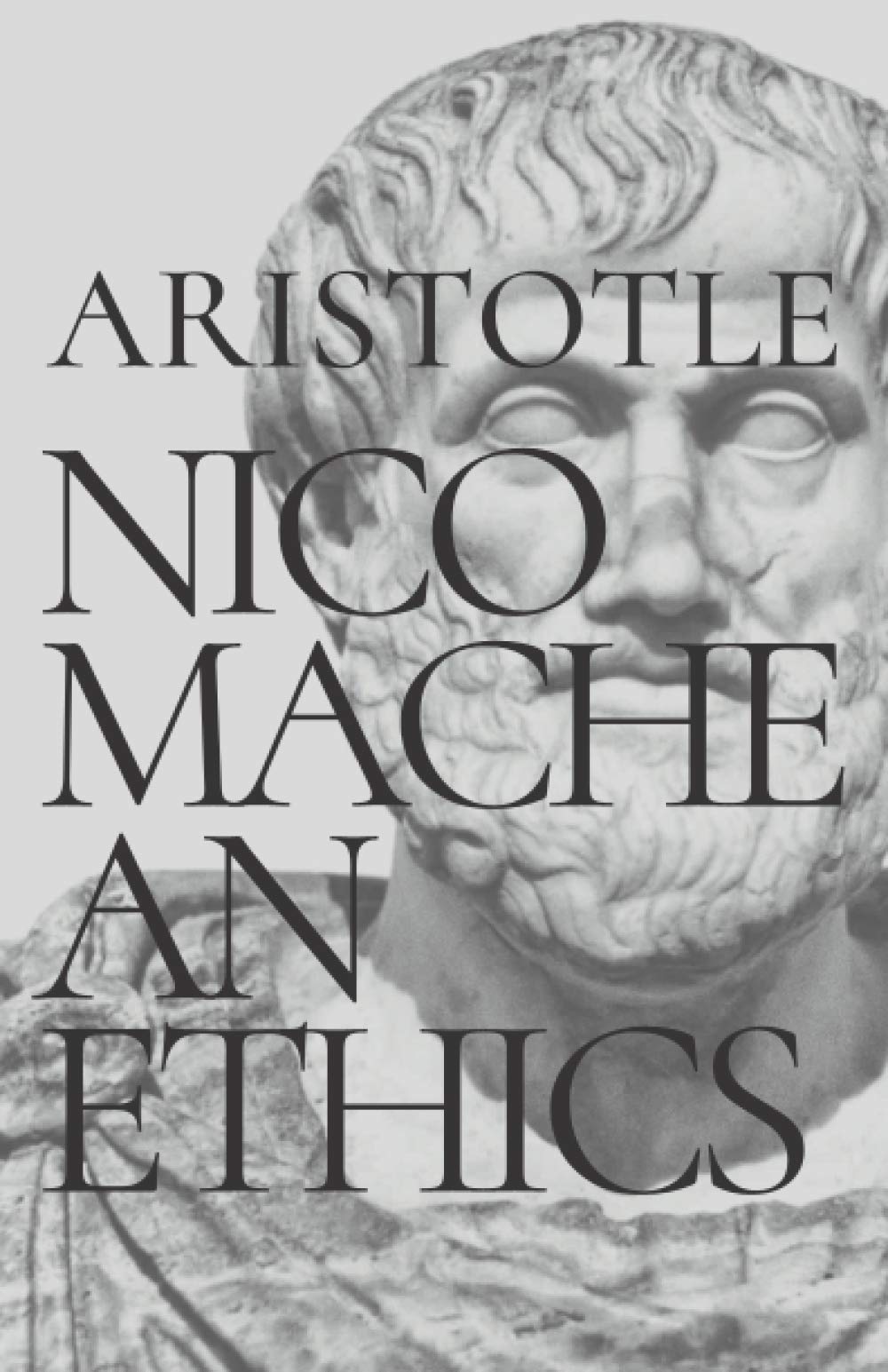
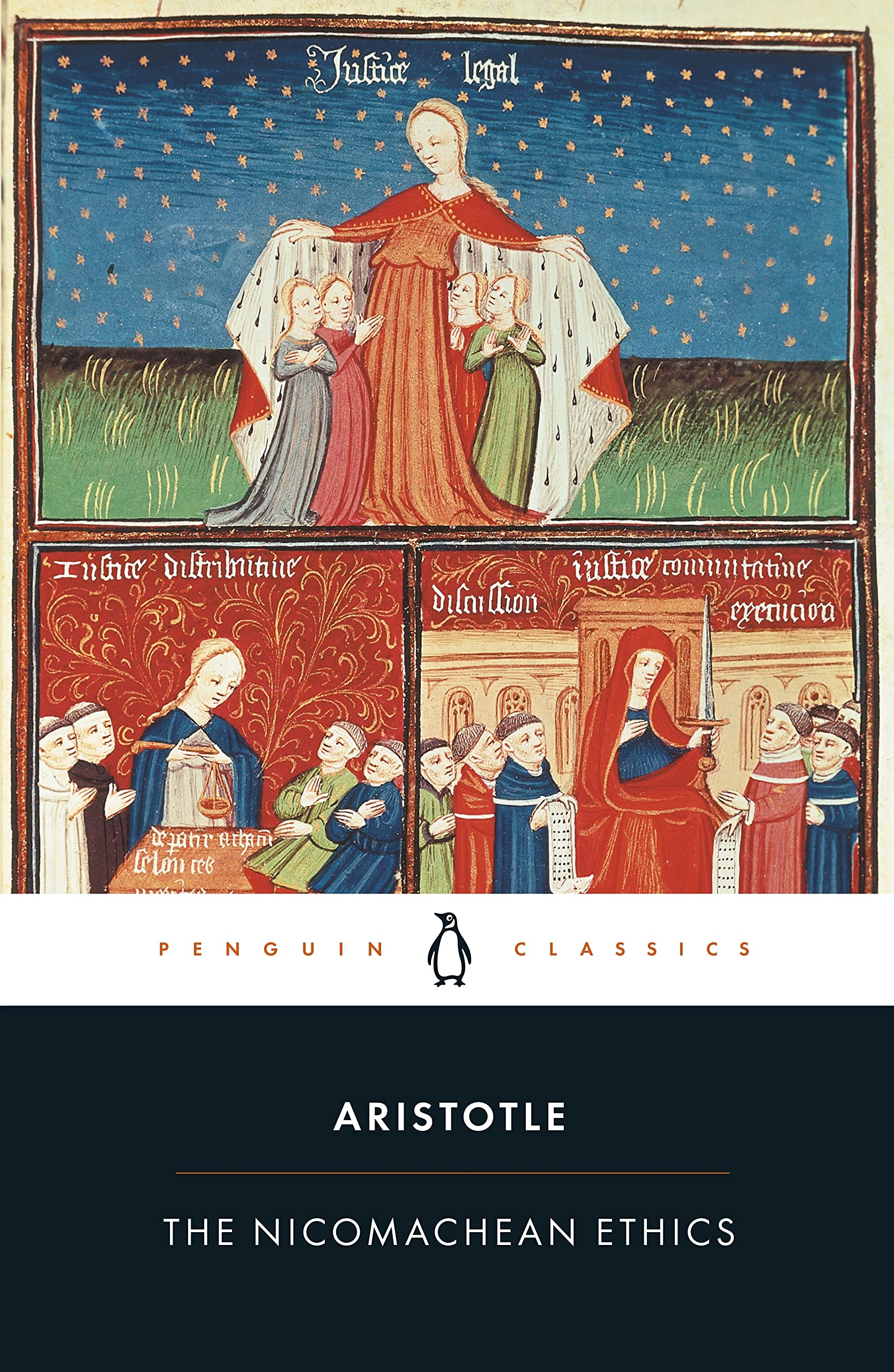
Nicomachean Ethics: Modern, Updated Translation
Format:
Paperback
Detalles del producto
Disponibilidad:
En stock
En stock
Peso con empaque:
0.39 kg
0.39 kg
Devolución:
Sí
Sí
Condición
Nuevo
Nuevo
Producto de:
Amazon
Amazon
Viaja desde
USA
USA
Sobre este producto
- Nicomachean Ethics (c. 340 BC) stands as Aristotle's major work on ethics, presenting a sophisticated examination of human goodness, happiness, and the nature of the virtuous life. Named either for Aristotle's father or son Nicomachus, this foundational text establishes a systematic approach to understanding human flourishing through the cultivation of moral and intellectual virtues. We have updated this timeless classic into a modern, updated translation so you can understand exactly what Aristotle wrote over two thousand years ago! At its heart, the work explores the question of what constitutes the highest good for human beings, which Aristotle identifies as eudaimonia (often translated as happiness or well-being). Through careful analysis, he argues that true happiness comes through the exercise of virtue in accordance with reason. The work is particularly notable for its doctrine of the mean, which presents virtue as the middle ground between extremes of excess and deficiency, and its detailed examination of specific virtues including courage, temperance, justice, and wisdom. What distinguishes this work is Aristotle's practical approach to ethics, combining philosophical rigor with attention to real-world human experience. Rather than presenting abstract moral rules, he focuses on the development of character through habitual practice and practical wisdom (phronesis). His analysis of friendship, pleasure, and contemplation provides profound insights into human nature and the conditions for genuine fulfillment. The influence of the Nicomachean Ethics extends far beyond its ancient context, shaping virtue ethics traditions in both Western and Islamic philosophy. Its nuanced treatment of moral psychology, character formation, and the relationship between individual and political good continues to inform contemporary ethical discussions. Aristotle (384-322 BC), student of Plato and tutor to Alexander the Great, was one of history's most comprehensive and influential thinkers. His works span logic, metaphysics, natural science, psychology, politics, and ethics. The Nicomachean Ethics represents his mature ethical thinking, combining his empirical approach with philosophical analysis to create a sophisticated theory of human flourishing. His emphasis on character, practical wisdom, and the integration of ethical and political life continues to influence modern discussions of moral education and human development.
AR$23.940
31% OFF
AR$16.505
IMPORT EASILY
By purchasing this product you can deduct VAT with your RUT number
AR$23.940
31% OFF
AR$16.505
 Llega en 8 a 12 días hábiles
con envío
 Tienes garantía de entrega
Este producto viaja
de USA ![]() a tus manos en
a tus manos en
![]()
 a tus manos en

Compra protegida
Disfruta de una experiencia de compra segura y confiable
Tarjetas de Crédito y Débito

Visa

Mastercard

American Express
Pagos a través de PayPal
Compra procesada en dólares con dinero en cuenta o tarjetas internacionales.

Paypal
Pagos a través de MODO
Compra procesada en pesos desde la App de tu banco.

PayPal